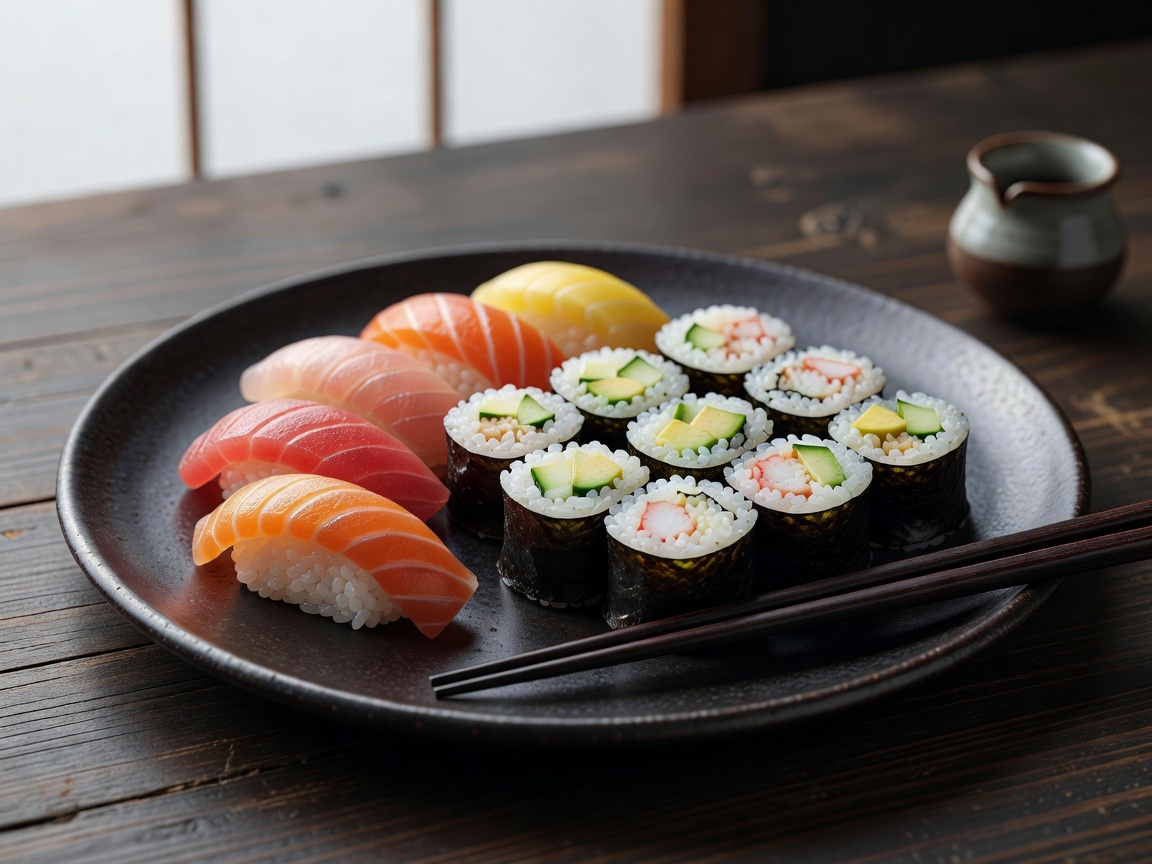
01 · Rice, seafood & craft
Sushi & Sashimi Culture
Understand seasoned rice, familiar sushi formats, sashimi, seasonal choices, and what to expect at a sushi counter.
RiceSeafoodCounter dining
Read the sushi guide Japanese dining journal
Explore sushi counters, everyday ramen shops, neighborhood izakayas, seasonal omakase, and the regional stories behind Japanese food. This is a guide to the dishes, rooms, ingredients, and small customs that make every meal its own experience.
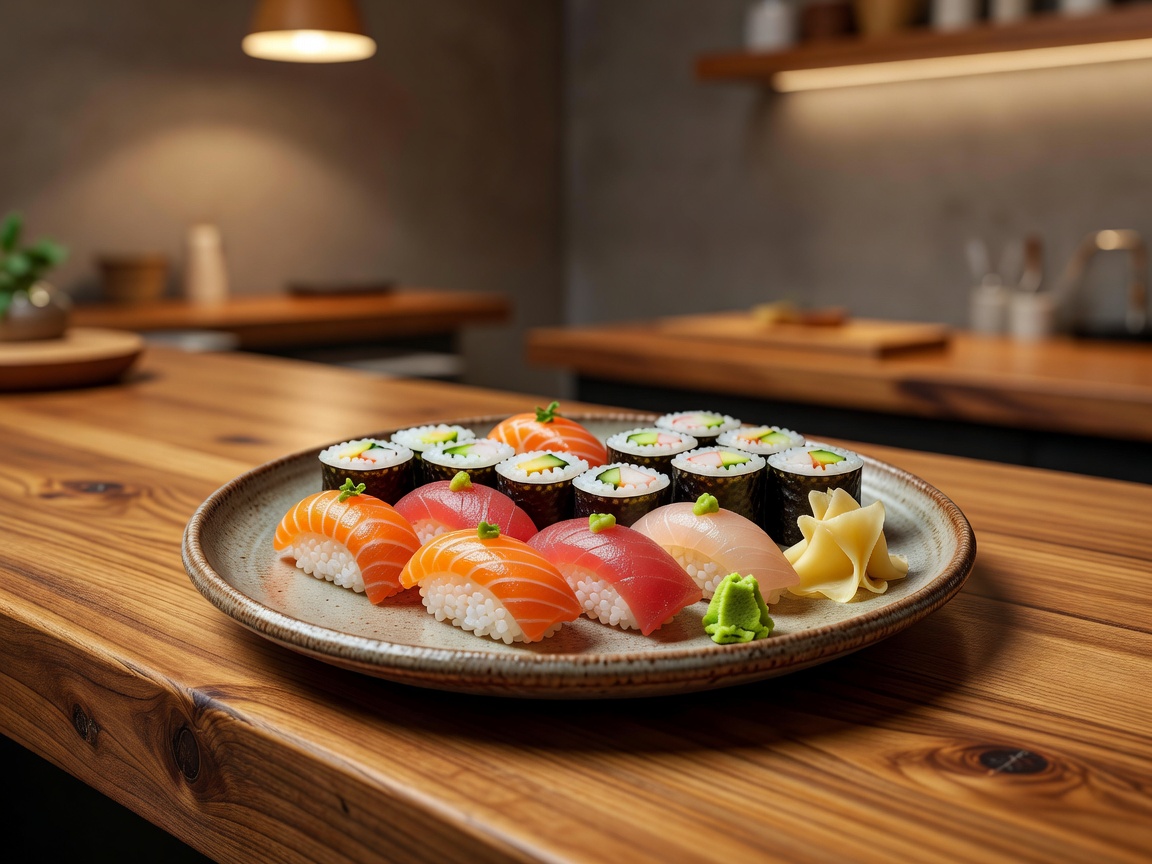
Start exploring
Each guide offers context for a different table, from quick noodles to a considered tasting menu.
01 · Rice, seafood & craft
Understand seasoned rice, familiar sushi formats, sashimi, seasonal choices, and what to expect at a sushi counter.
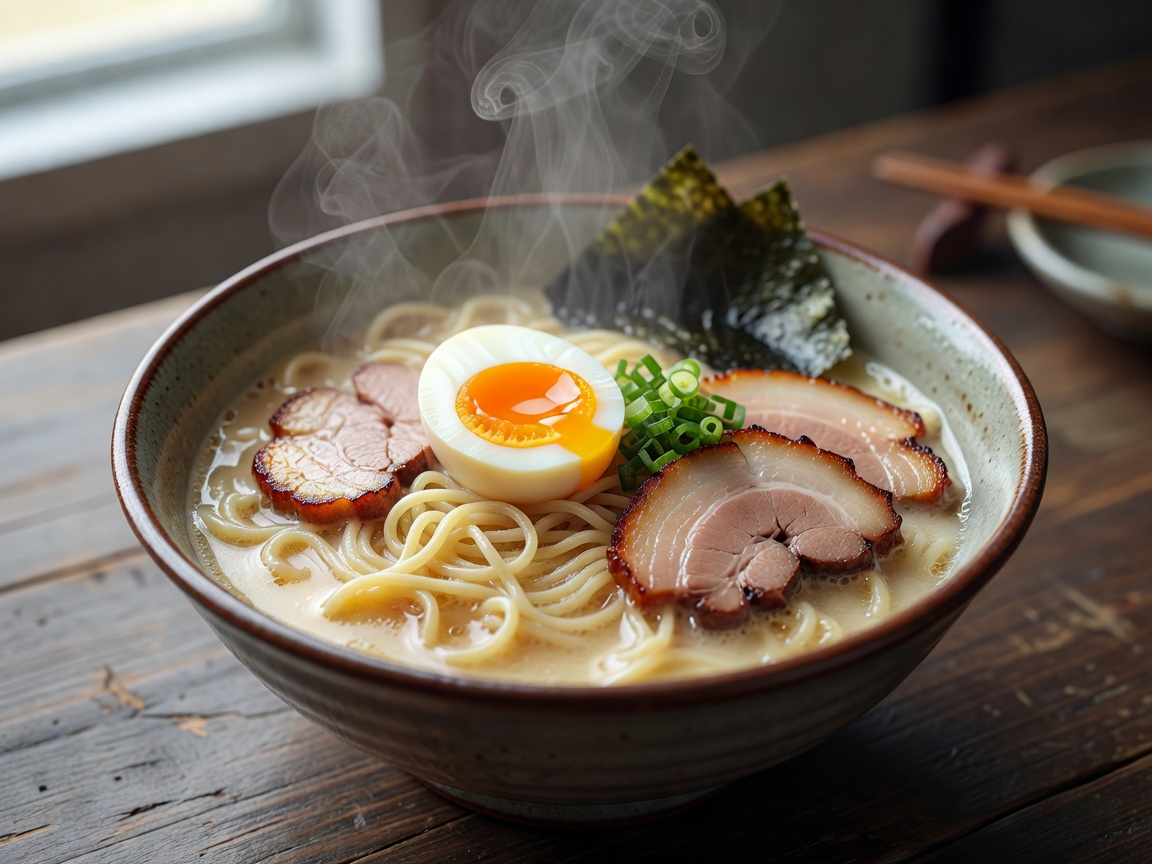
02 · Broth & noodles
Explore broth styles, tare, noodles, toppings, regional associations, and the practical rhythm of a ramen shop.
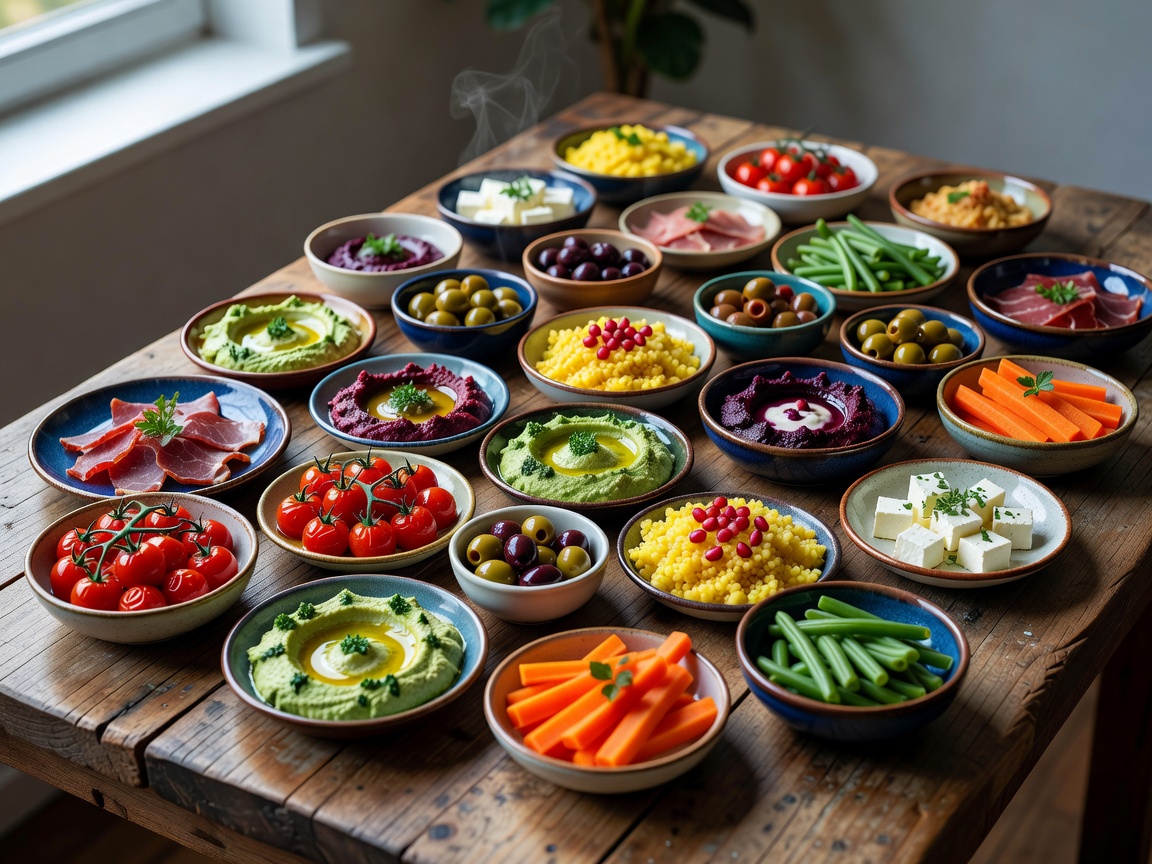
03 · Shared plates & conversation
Learn how a relaxed meal can unfold through grilled dishes, seasonal sides, and several rounds of small plates.
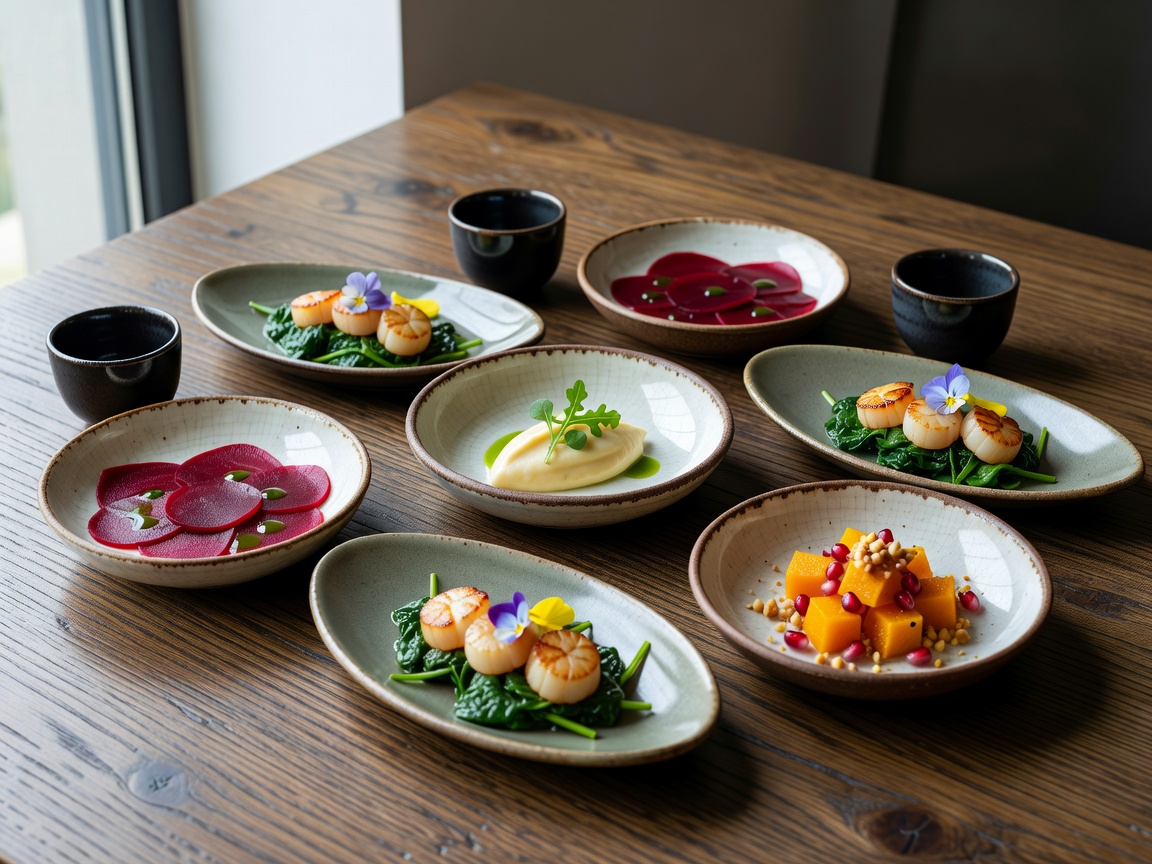
04 · The chef’s selection
Get to know chef-led menus, changing ingredients, tasting sequences, and how to prepare for a considered meal.
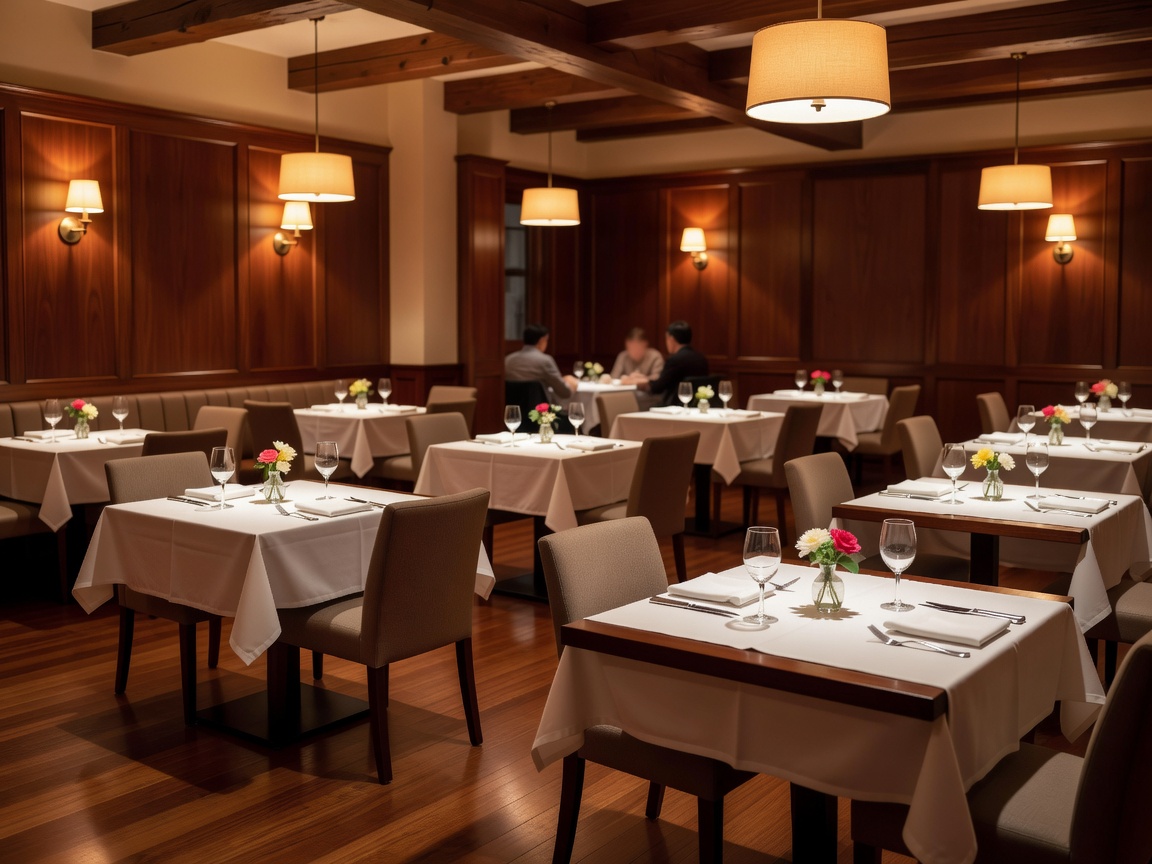
05 · Place, design & customs
Look beyond stereotypes to discover varied dining rooms, regional food identities, and practical customs for visitors.
A meal has a setting
A sushi counter often brings close attention to rice, seafood, and the timing of each serving. A ramen house is usually more focused and brisk, built around a bowl assembled to order. Izakayas invite diners to add dishes over time, while a chef-led tasting menu may follow a sequence chosen around ingredients and technique.
These are useful starting points, not fixed rules. A specialist can be informal; a neighborhood spot can have its own rituals. The room, menu, pace, and service all shape how a meal feels.
Explore dining settings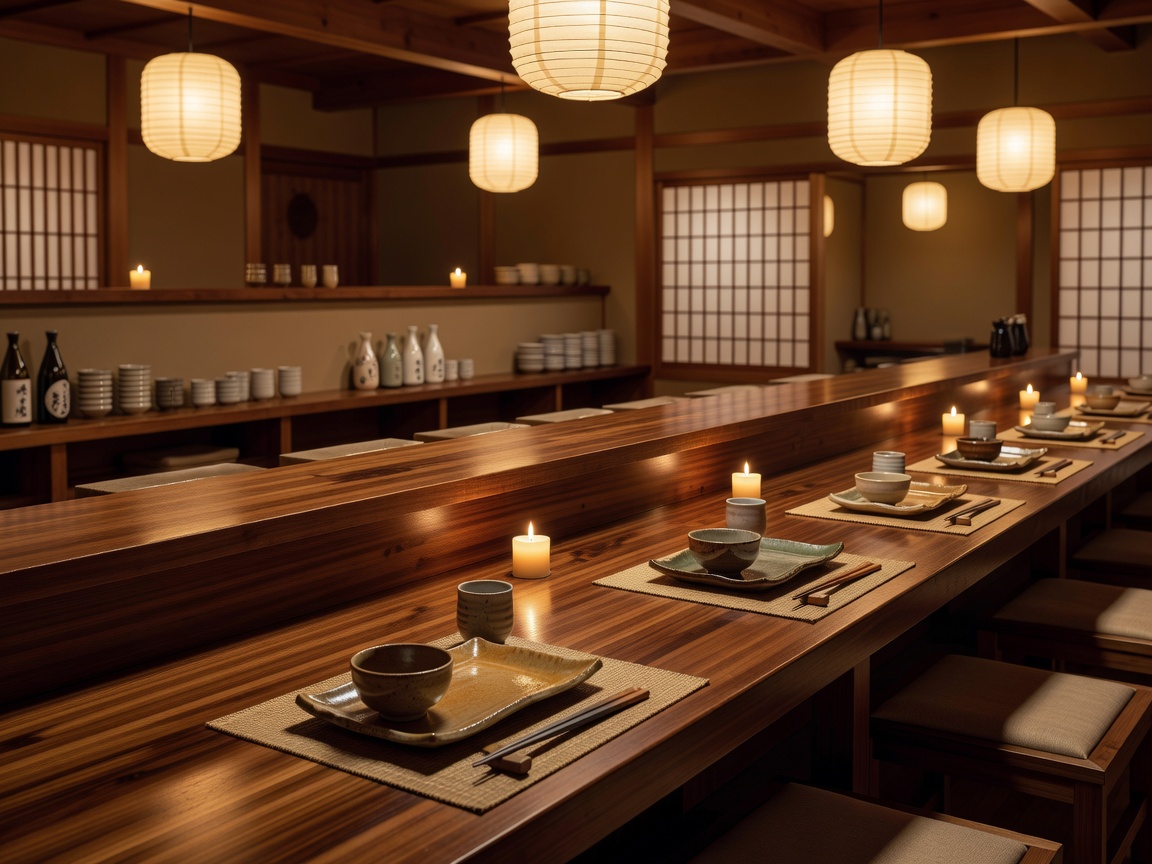
A map of flavors, not boundaries
Local ingredients, travel, migration, and changing tastes all shape regional food. These associations are informative, never exclusive.
A broad dining landscape where regional traditions and international influences meet.
Known for seasonal cooking and refined traditions, alongside contemporary everyday dining.
Has a lively casual dining reputation and well-known local specialties.
Closely associated with miso ramen, among many other northern ingredients and dishes.
Associated with Hakata-style tonkotsu ramen, a pork-bone broth tradition.
Seafood and seasonal produce feature in a distinctive regional dining scene.
Known for a style of okonomiyaki in which ingredients are layered during cooking.
Its food traditions reflect local ingredients and a history shaped by regional connections.
Ingredients & seasonality
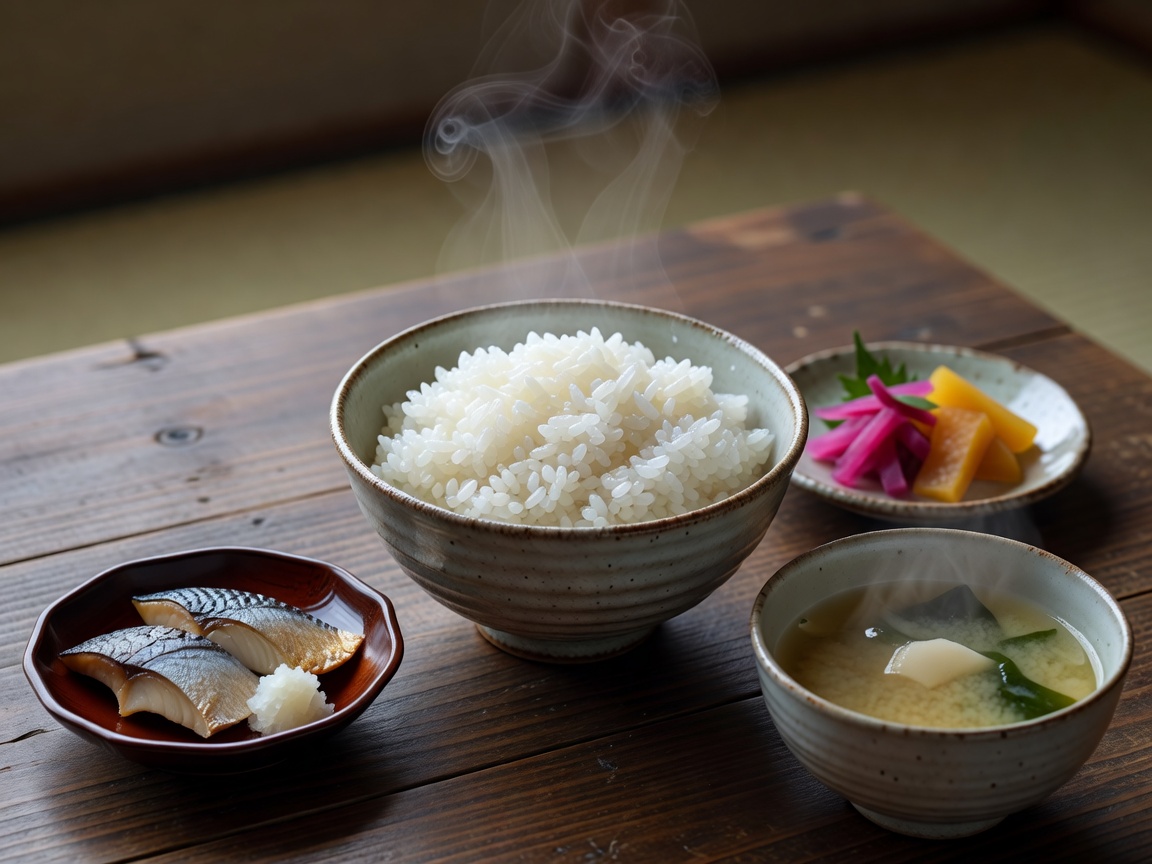
Rice may be the center of a meal or the defining element of sushi. Seafood, noodles, vegetables, seaweed, and soy-based seasonings each bring their own texture and character. Ingredients change with place and season, and kitchens interpret familiar staples in different ways.
Noticing those choices is a rewarding way to read a menu: a broth’s aroma oil, the balance of a pickle, or the way a ceramic bowl frames a dish.
Explore seasonal cuisineDining details worth noticing
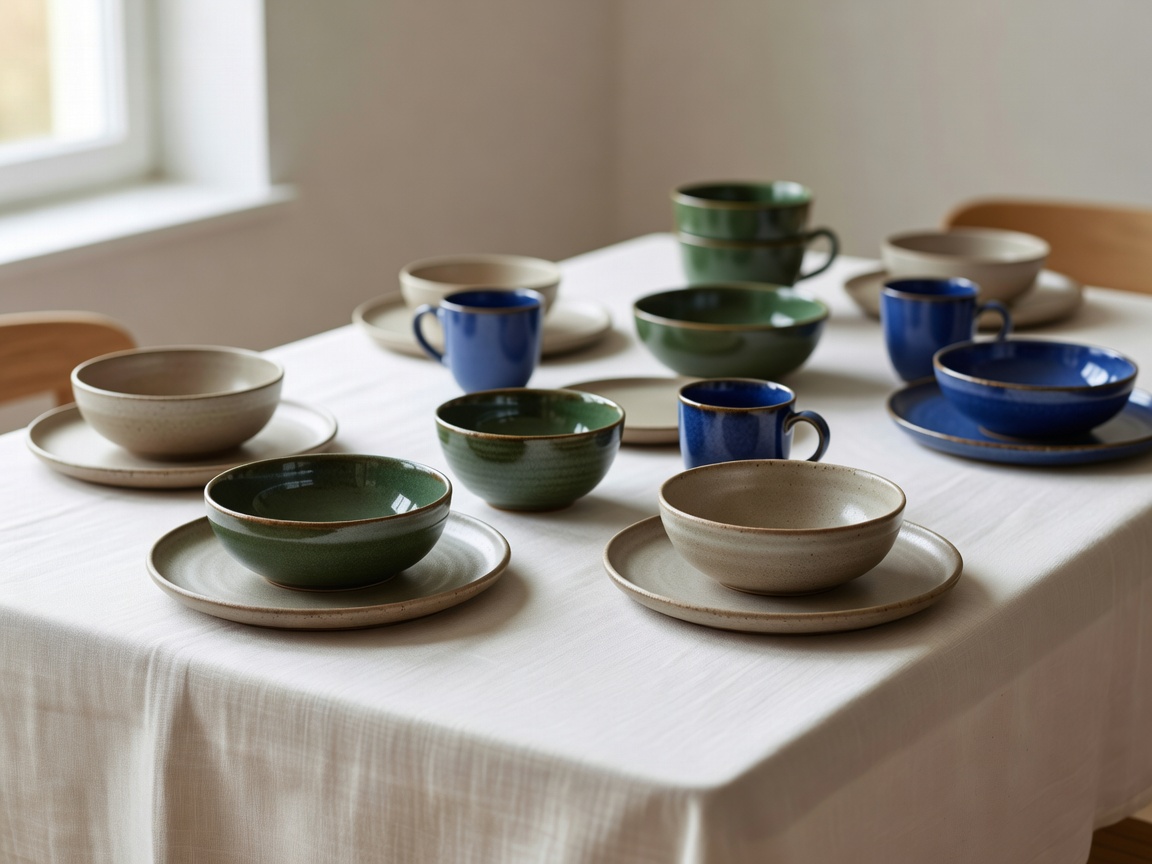
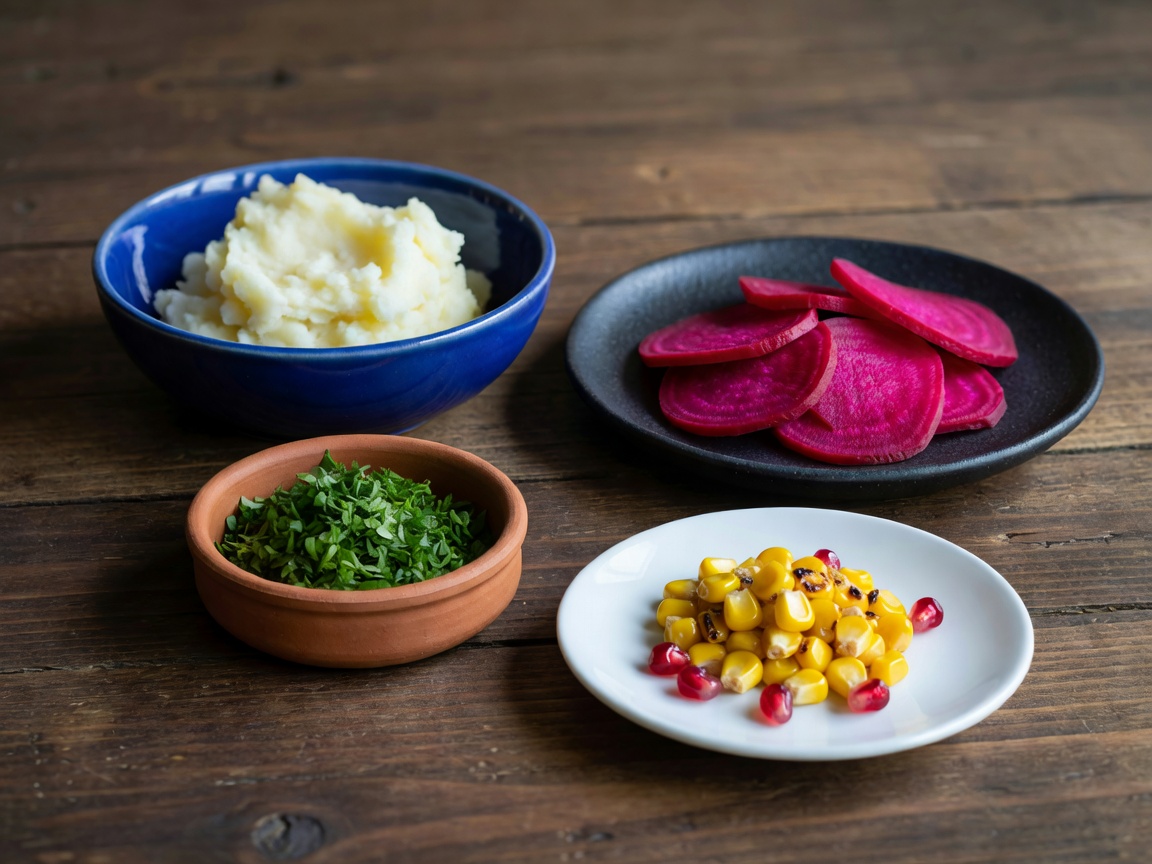
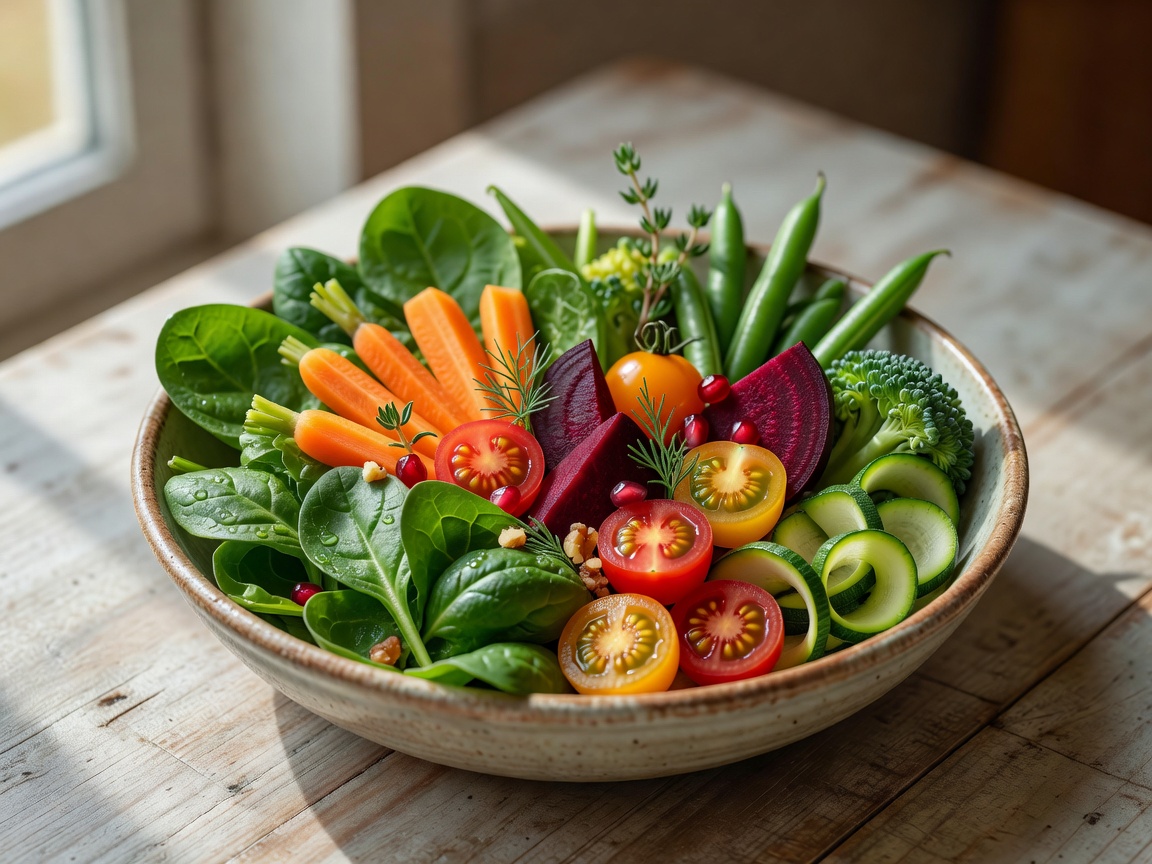
Materials, light, and presentation are part of the experience—but no single look defines Japanese dining.
Keep exploring
Choose a guide, or send us a question about a dish, region, or dining custom.
Your choice
Essential storage keeps your choice available. Optional analytics and advertising trackers are not used on this site.