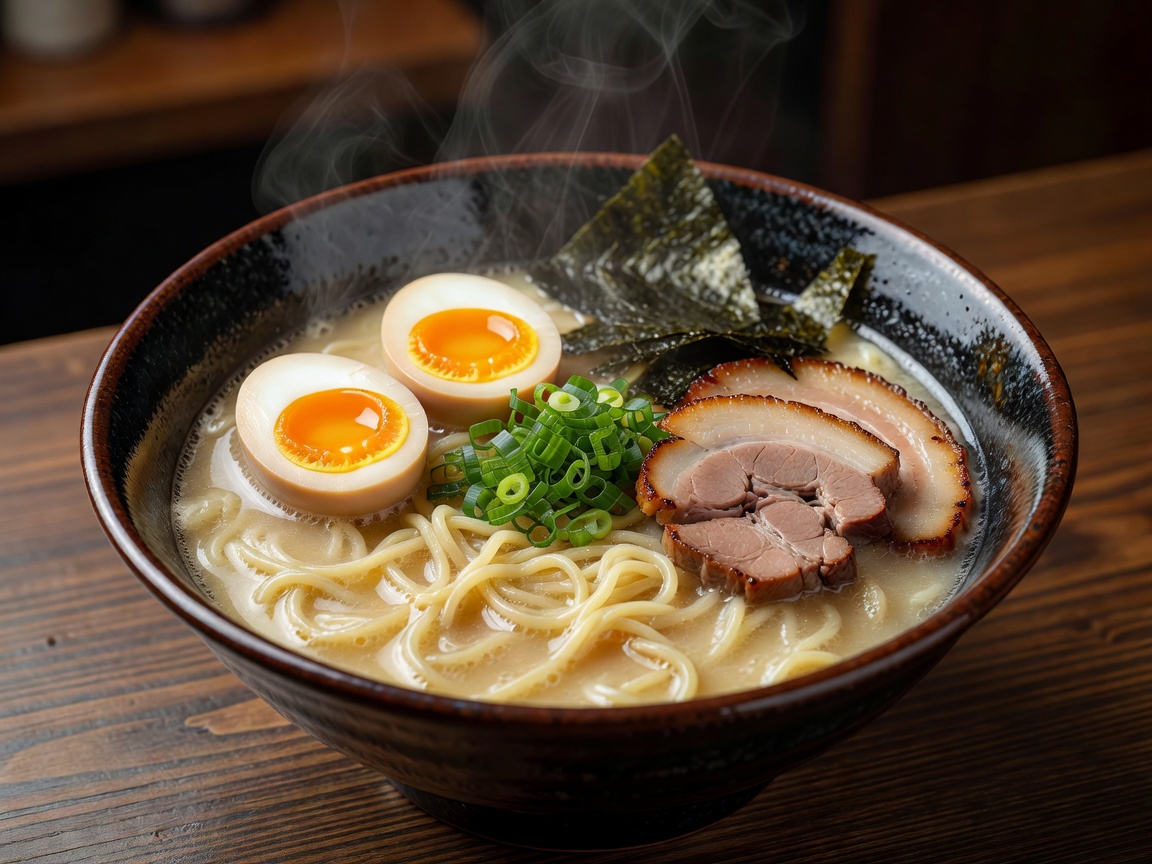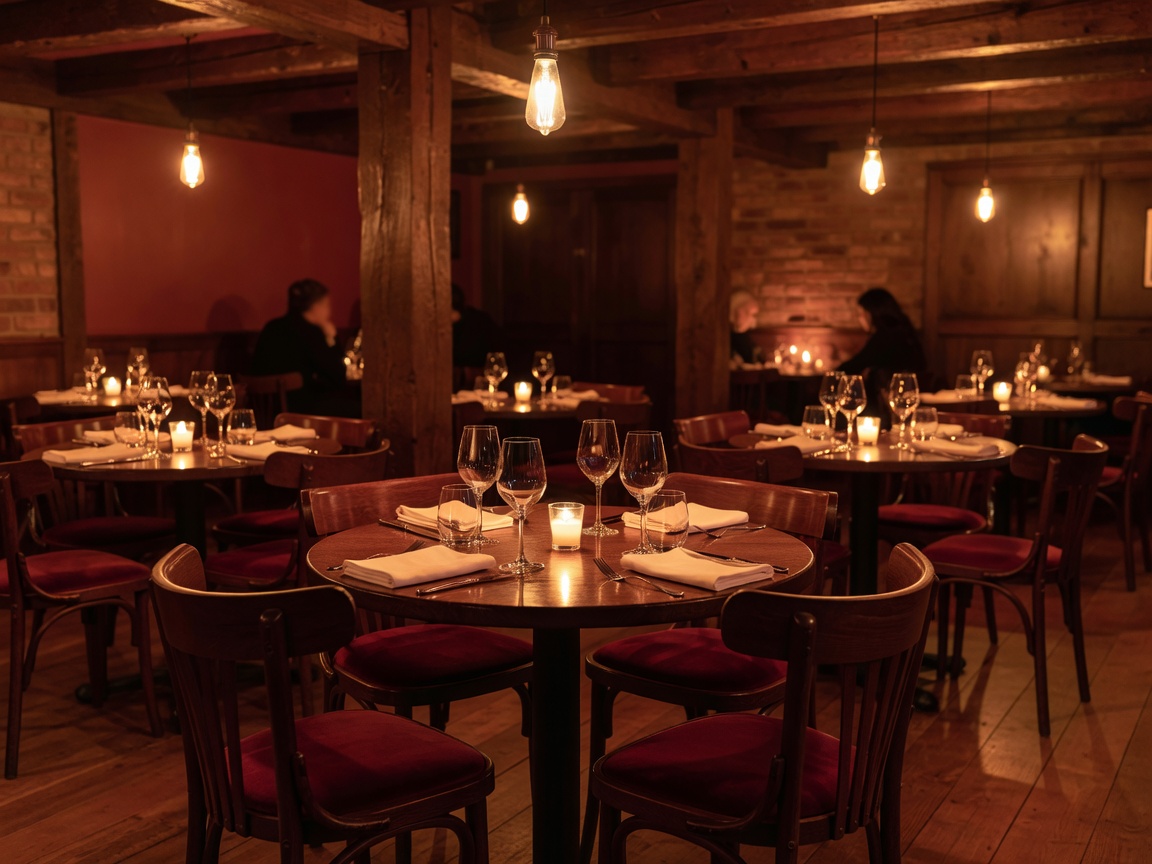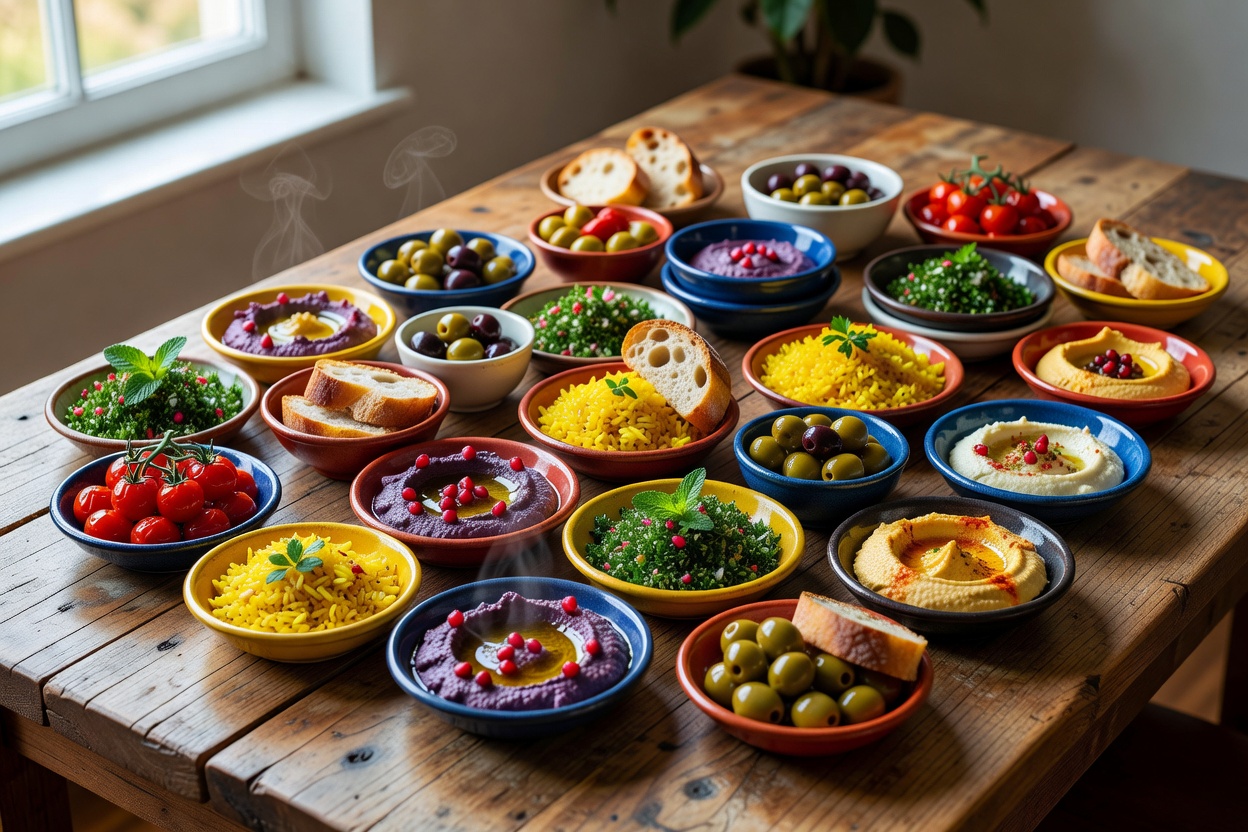
Izakaya are informal dining places where food and drinks are often enjoyed together. The word covers a wide range of venues, from small neighborhood spots to larger, contemporary restaurants. Rather than following a single fixed sequence, diners commonly order several dishes over the course of the meal and share what suits the table.
A meal that builds over time
One useful way to approach an izakaya menu is to begin with a few dishes for the table, then add more once you know what everyone wants. Menus may include grilled skewers, fried foods, sashimi, salads, simmered dishes, pickles, rice, and noodles. Some kitchens focus on a particular specialty; others offer a broad selection.
Small plates are not always tiny, and sharing is not required at every table. Portions, ordering customs, and service style differ. If you are unsure how much to order, start with a modest selection and ask staff for guidance. It is easier to add dishes than to order far more than the group can enjoy.
What you might find on the menu
Yakitori refers to grilled chicken skewers, often seasoned with salt or a savory-sweet tare. Other skewers may feature vegetables or different ingredients. Karaage is a popular style of Japanese fried chicken. Edamame, chilled tofu, pickles, and salads can offer lighter contrasts, while grilled fish or simmered dishes may bring more substantial flavors.
Menus vary with the restaurant, region, season, and its particular approach. A dish name can describe a familiar preparation without guaranteeing identical ingredients or seasoning. If you have allergies or dietary requirements, ask staff about components and preparation, including sauces and shared cooking surfaces.
Drinks and the table
Many izakaya menus include beer, sake, shochu, and non-alcoholic options such as tea or soft drinks. Drinking alcohol is not necessary to enjoy the meal. If you do order drinks, you can choose one for yourself or ask about the restaurant’s options. Never feel obliged to match another diner’s pace or order alcohol to participate.
Some establishments offer an otoshi, a small appetizer served at the beginning and included as a cover charge or table charge. Customs and pricing vary, so check the menu, posted information, or ask staff if you are unsure what has been added to the bill.
Ordering and sharing considerately
At many izakaya, dishes arrive as they are ready rather than all at once. Shared serving chopsticks or spoons may be provided, though practices differ. Use them where available, and ask for an additional utensil if needed. If you are sharing, check that everyone at the table is comfortable with the arrangement.
Some venues use paper order slips, QR-code ordering, or a ticket machine; others take orders verbally. Follow any posted instructions and ask for clarification without worry. Restaurant layouts can be compact, so keep bags close and be mindful of neighboring diners.
Tipping is not customary in many Japanese restaurants, though local and venue practices can vary. Check the bill for service or table charges, and follow the payment method the establishment provides. A simple thank-you when you leave is always welcome.
Finding your own rhythm
There is no required order for an izakaya meal. You might begin with something light, add a grilled dish, and finish with rice or noodles—or take a different path entirely. The menu, group, and restaurant set the tone. If you want to explore a more focused noodle meal, read the ramen guide. For a paced, chef-selected experience, continue to omakase and seasonal cuisine.