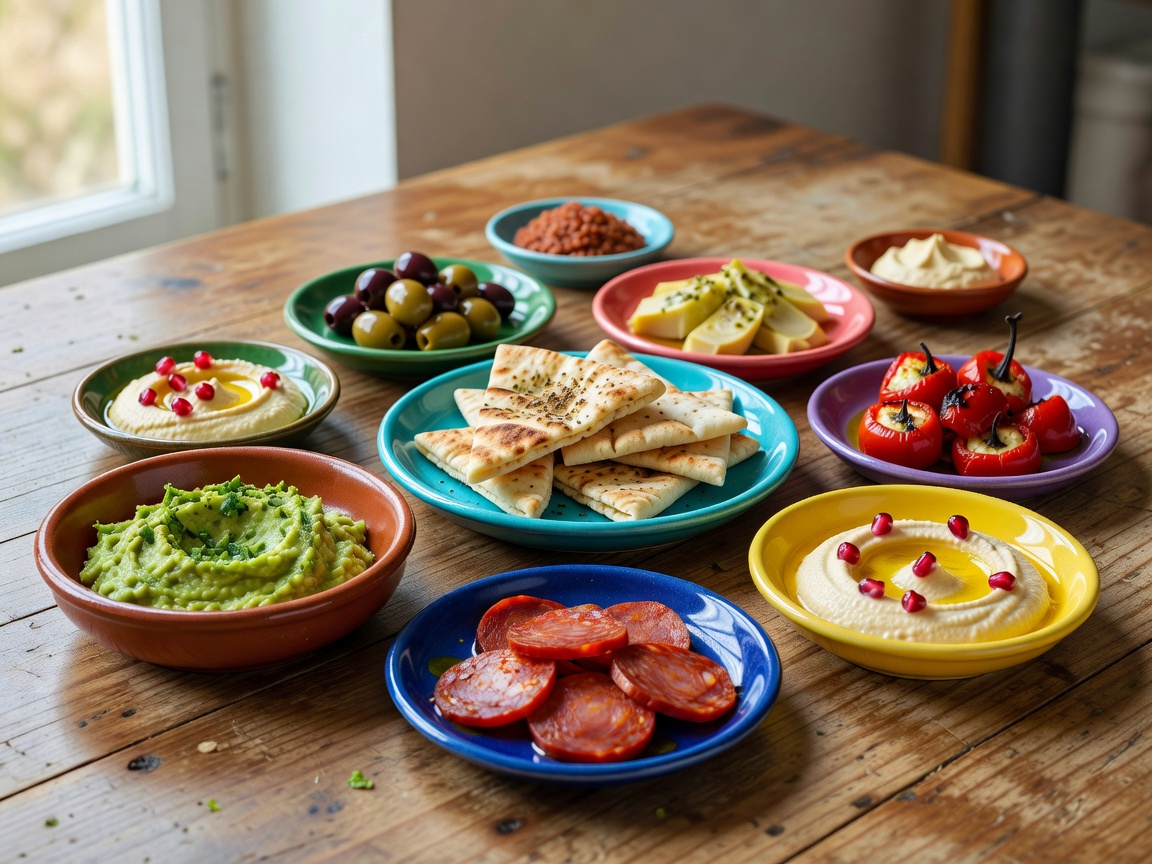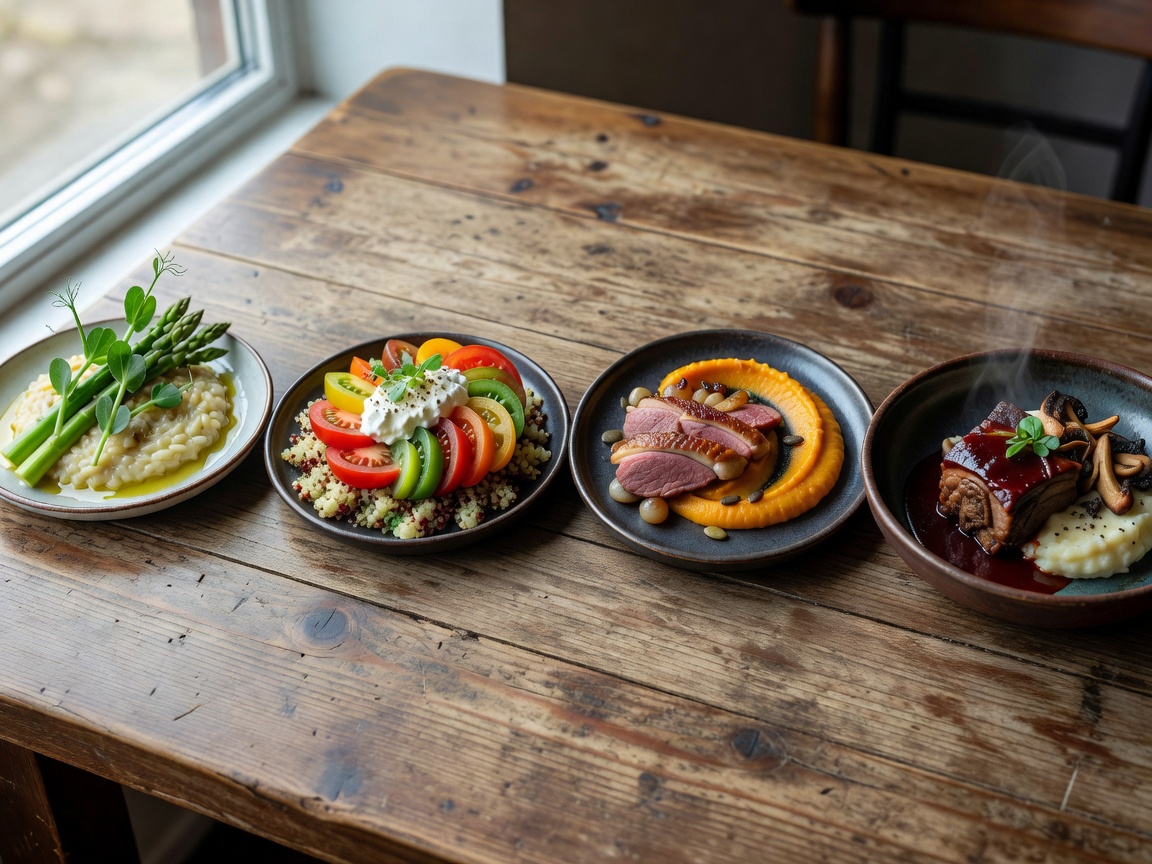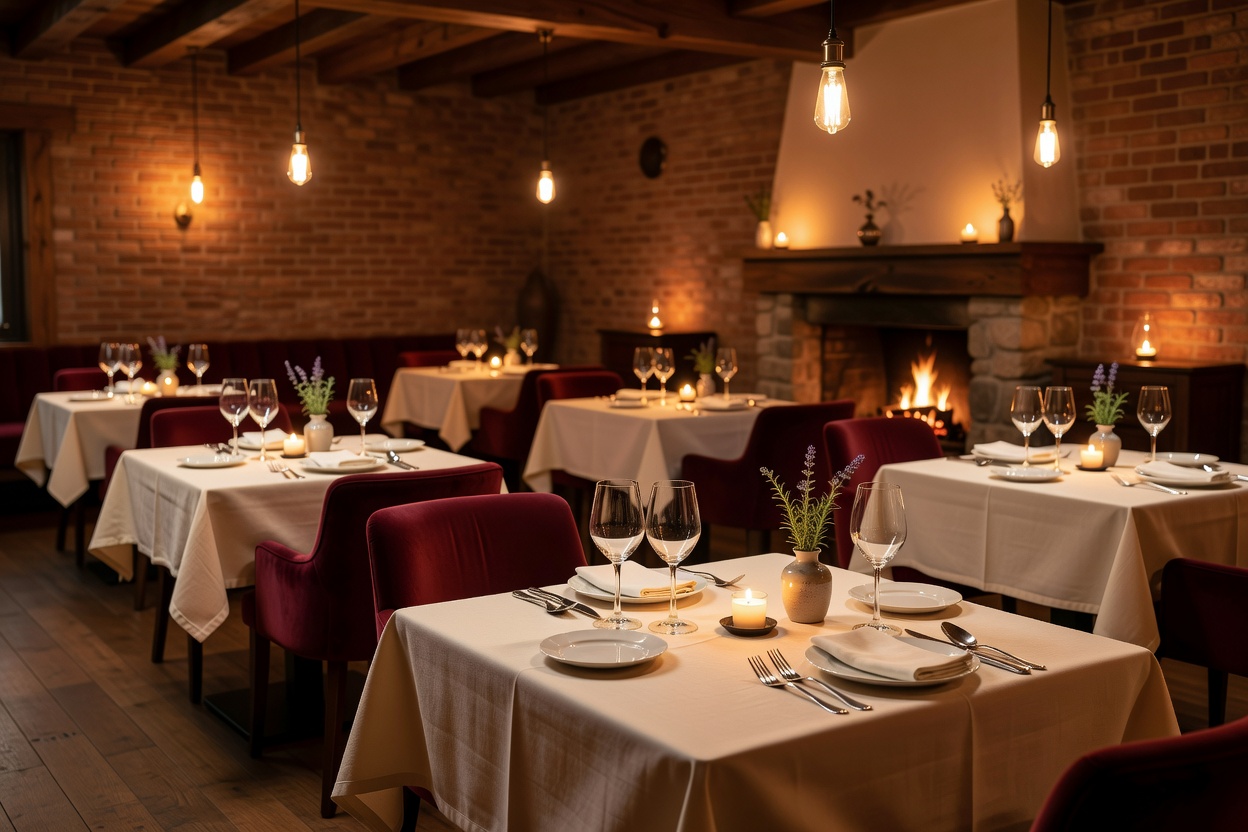
Japanese dining takes place in an enormous range of rooms: compact noodle shops, lively izakayas, contemporary dining rooms, specialist counters, family restaurants, and quiet traditional spaces. Architecture and service can offer clues about a meal, but they are not a complete guide to what a restaurant will be like. The most helpful approach is to notice the room, read the menu, and follow the particular establishment’s cues.
Many rooms, many rhythms
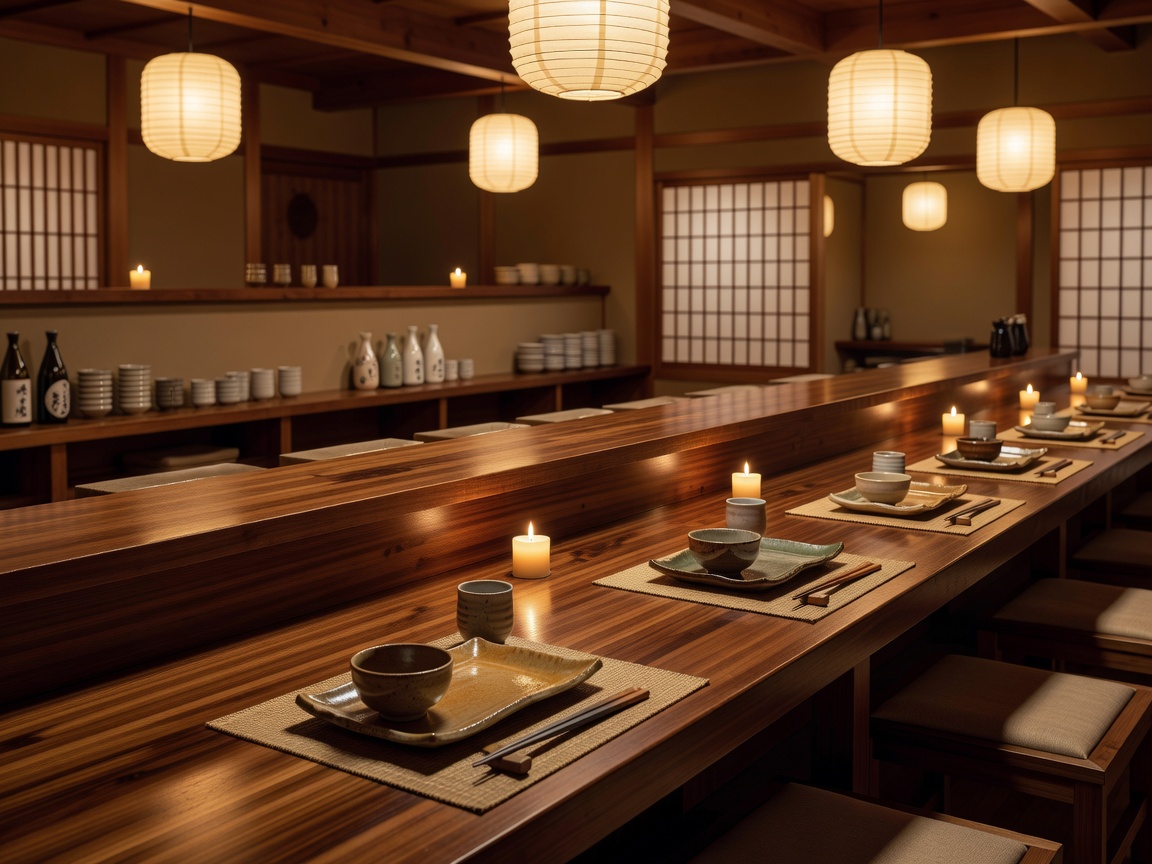
A sushi counter may bring guests close to the chef and the preparation of each serving. A ramen shop might be designed around a focused bowl and a relatively brisk meal. An izakaya often has a more conversational rhythm, with dishes added over time. A chef-led tasting menu can be paced around a planned sequence. These are broad patterns, not strict categories: restaurants within any one type can feel informal, elegant, bustling, or calm.
Some restaurants have tatami seating or require guests to remove shoes before entering a particular area. Others have counter stools, shared tables, private rooms, or familiar western-style chairs. If signage or a host is not clear, it is perfectly reasonable to ask what to do. A welcoming greeting and a little attention to the room go a long way.
Regional food identities
Regional associations can be a useful starting point when exploring a menu. Osaka is known for a lively casual dining culture and specialties such as okonomiyaki and takoyaki. Kyoto is often associated with seasonal cooking and refined culinary traditions, alongside a wide range of everyday food. Tokyo’s dining scene draws on local histories, regional cuisines, and international influences.
Further north, Sapporo is closely associated with miso ramen, while Fukuoka is known for Hakata-style tonkotsu ramen. Kanazawa’s dining scene includes seafood and seasonal produce; Hiroshima is associated with a style of okonomiyaki in which ingredients are layered. Okinawan food traditions reflect local ingredients and a history shaped by regional connections.
These examples describe associations, not boundaries. A dish may be enjoyed far beyond the place most commonly linked to it, and each region contains many different ways of eating. Travel, migration, ingredient availability, and changing tastes all shape local food. A restaurant’s own menu is the best guide to what it chooses to serve.
Small customs that make a visit easier
At a restaurant, wait to be seated if there is a host or a sign indicating a queue. If you are unsure whether to order at a counter, ticket machine, or table, ask staff for help. Some places take payment at the register, while others bring the bill to the table; follow the restaurant’s system rather than assuming there is one universal routine.
Chopsticks are widely used, but the setting and the meal determine what utensils are provided. Rest chopsticks on a holder when one is available, and avoid using them to point or passing food from one pair of chopsticks to another. These are considerate habits rather than a test of cultural fluency. If you are uncertain, observe what people around you do or ask politely.
At some noodle shops, slurping is common, while elsewhere the atmosphere may be quieter. Tipping is not customary in many Japanese restaurants, though practices can vary by venue and location. Check the bill and any service information rather than leaving cash automatically. A polite greeting, a thank-you, and consideration for other diners are useful almost anywhere.
Practical planning
For a popular or small restaurant, check whether reservations are required or whether walk-ins are welcome. Look for information about opening hours, payment methods, seating, and any ordering system. If you have allergies or dietary requirements, contact the restaurant ahead of time where possible. Menus may not list every ingredient, and kitchens may not be able to prevent cross-contact.
Accessibility varies from building to building. Older premises may have steps, narrow entrances, or compact seating, while other restaurants may offer more accessible facilities. Contacting a restaurant in advance is the best way to ask about a particular access need.
Keep exploring
For food-led guides, continue with izakaya dining and small plates, ramen houses and noodle traditions, or omakase and seasonal cuisine.