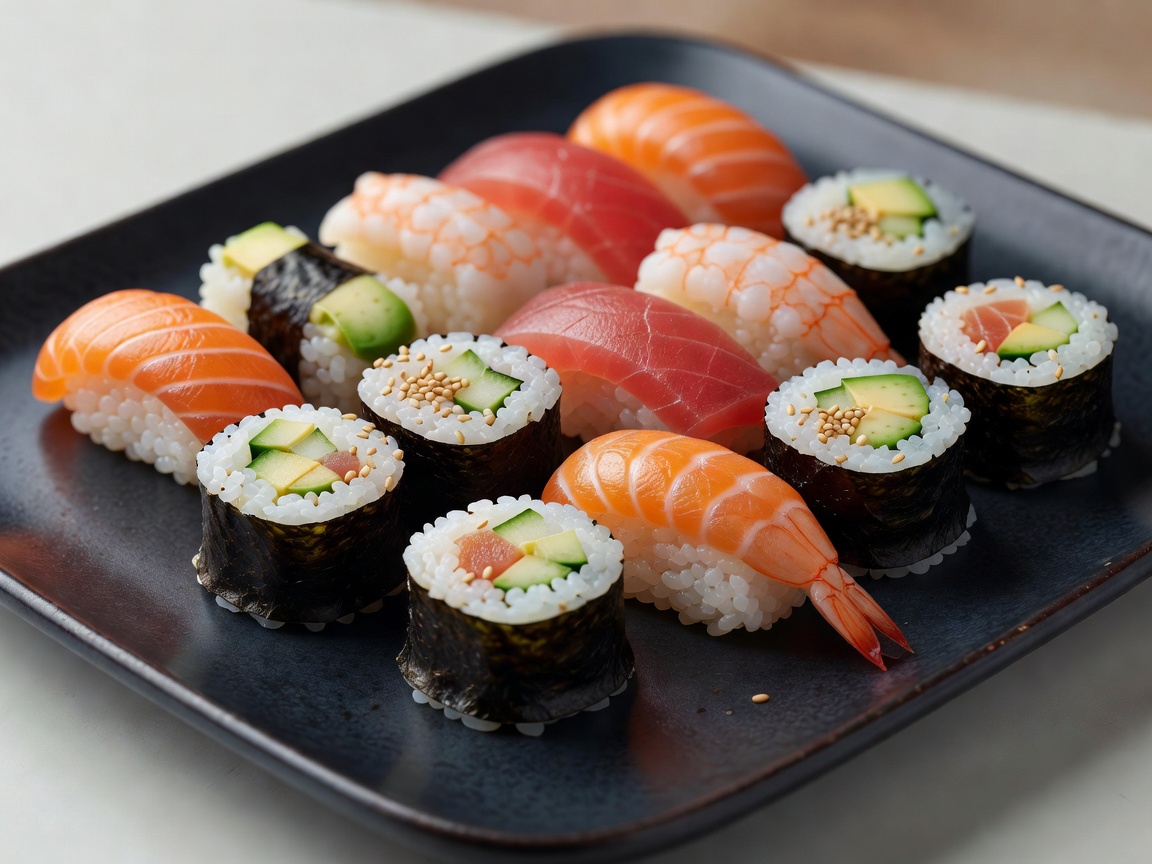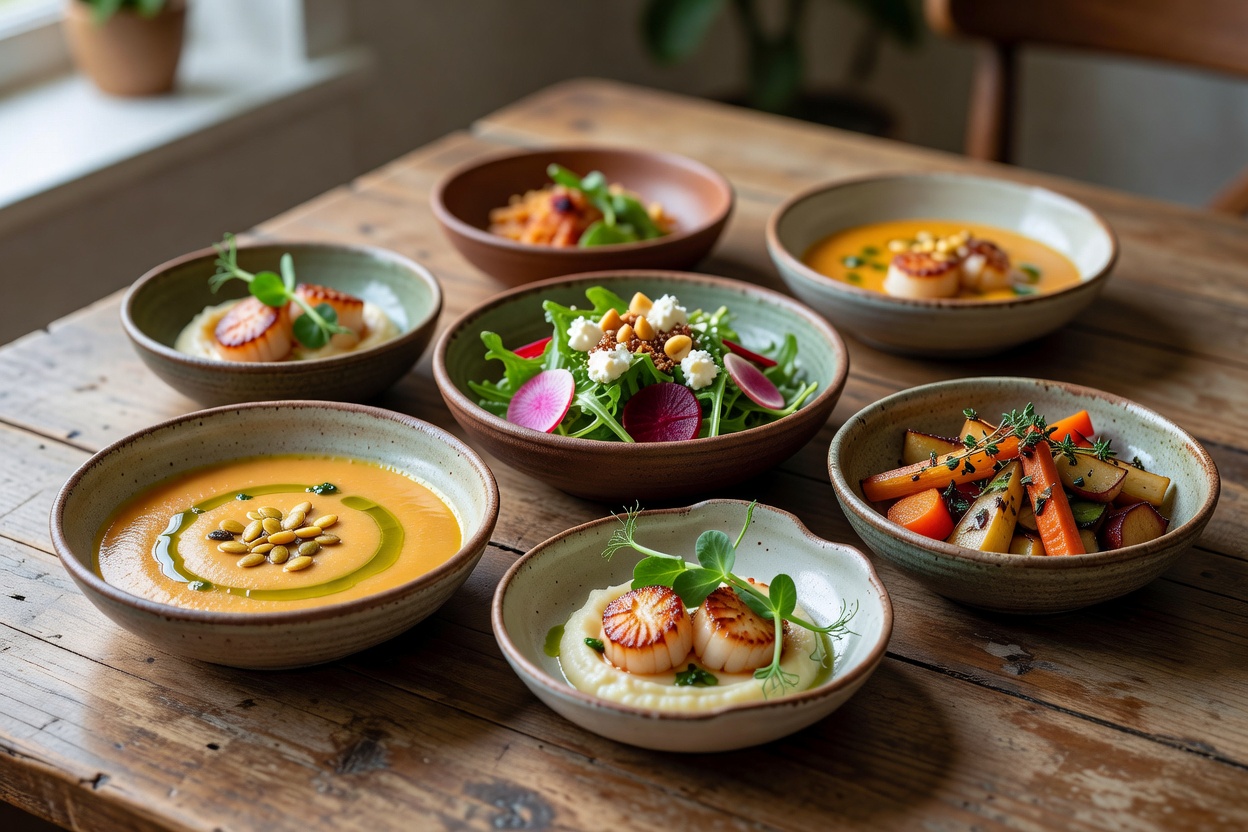
Omakase is commonly translated as “I leave it up to you.” In a restaurant, it usually refers to a meal or selection in which the chef makes choices for the diner. The term does not guarantee a particular price, length, degree of formality, or style of cuisine. Each restaurant defines its own experience, so the menu details and booking information matter.
What a chef-selected menu can involve
At some sushi counters, the chef serves a sequence of pieces chosen around the day’s ingredients. Other restaurants may offer a set course that moves through several preparations, textures, or cooking techniques. The menu might be created entirely by the chef, or guests may choose from a small number of options before the meal begins.
A chef-selected meal is not necessarily a surprise from start to finish. Restaurants often publish a description, approximate number of courses, price, or sample menu. If these details are not available, ask before booking. The term “omakase” is used in different contexts, and expectations can differ from one venue to another.
Seasonality as a way of choosing
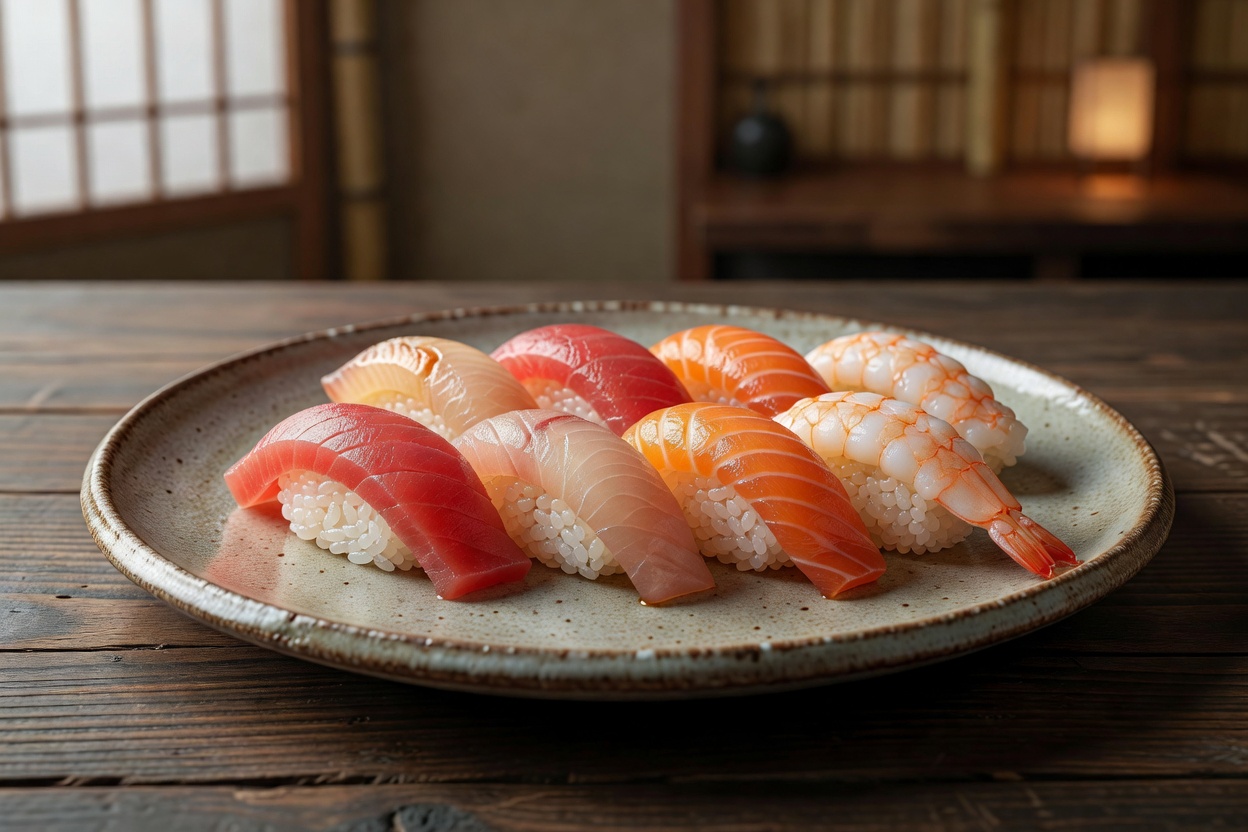
Seasonal cooking responds to ingredients and the character of a particular time of year. A kitchen might select produce when it is at its best, feature seafood that suits its current supply, or change a preparation as the weather shifts. Seasonality can influence flavor, texture, color, and even the order in which dishes are served.
It does not necessarily mean that every ingredient is local, newly harvested, or available only for a brief period. Restaurants source ingredients in different ways, and the meaning of “in season” depends on the ingredient and the kitchen. A chef’s choices reflect supply, quality, tradition, creativity, and the restaurant’s own point of view.
Pacing and attention
A tasting sequence may arrive in measured stages, allowing guests to notice how one dish contrasts with the next. At a counter, the chef may prepare and serve each piece directly. At a table, a series of courses might be brought by the service team. Neither format has a single standard rhythm; the restaurant will set the pace.
Take your time, ask questions if you are interested, and let staff know if you need a pause. If a particular dish or ingredient is unfamiliar, the restaurant may be able to explain how it is prepared. A meal can be an opportunity to learn, but you are never required to perform expertise to enjoy it.
Before you book
Check the current menu description, price, expected duration, seating arrangements, and cancellation policy. Some chef-selected menus require advance reservations or ask guests to arrive at a set time. If you have allergies, dietary requirements, or other needs, contact the restaurant before booking rather than waiting until the meal begins. A kitchen may not be able to make substitutions, and cross-contact can be important.
Be clear about what you need, and ask whether the restaurant can accommodate it. If staff cannot confirm the ingredients or preparation, consider choosing a different experience. For raw or undercooked foods, follow health guidance relevant to your circumstances.
How to approach the experience
Arrive on time, follow the restaurant’s seating and service cues, and ask about anything you need to know. At a counter, keep the working space clear and avoid handling serving pieces unless invited. If you are unsure whether a piece is already seasoned, simply ask. Etiquette differs between establishments; attentiveness and consideration are more useful than memorizing rigid rules.
Omakase is one way to experience a kitchen’s perspective, not a measure of how authentic or enjoyable a restaurant is. A casual meal, a bowl of noodles, or a table of shared plates can be just as meaningful. Explore sushi and sashimi culture or izakaya dining for other ways into the dining landscape.